
Lukla: The Gateway to Everest Region
Lukla, also known as the gateway to Everest Region, is the place where all the journey begins. To reach there, one must fly through air all the way from Kathmandu or Manthali airport by plane or helicopter. The journey is about 30 minutes from Kathmandu and 15-20 minutes from Manthali airport. Normally, during the season, the only possible flight is through the Manthali airport, so people drive all the way to Manthali, Ramechhap, by bus or private car from Kathmandu. It takes around 4-5 hours to reach there from Kathmandu. People usually reach Manthali one day ahead of their flight and stay there for a night. There are three airlines that fly to Lukla: Tara Airlines, Summit Airlines and Sita Airlines. One must plan and buy a ticket for Lukla ahead of their flight time, as it is very difficult to get a ticket during peak season. For that, we at Diacreatives can handle all of your logistics without any problem.
Lukla Airport, also known as Tenzing-Hillary Airport, is the world’s most dangerous airport. The fight is very thrilling and adventurous, as it is renowned for its short runway and breathtaking landings, offering the first taste of adrenaline. Here, we start rolling our cameras, capturing the bustling activity as trekkers prepare for the ascent. After we depart from the airport, we can capture the thrilling airplane landing and takeoff very clearly.
Filming in Lukla
After departing from the airport, the trekking trail starts, and here we can already see the mountains surrounding the bustling town. Filmmakers can capture the life of local Sherpas and the vibrant teahouses here in Lukla. Various animals, such as yaks and hybrid- donkeys, can be seen on the trekking trail. They can be some b-rolls footage for the filmmakers. Filmmakers need special permits if they want to fly drones in this region, as it lies in the Sagarmatha National Park area. A local, experienced fixer is required for the overall logistics, including securing the equipment, obtaining required permits and coordinating everything related to the production.
Namche Bazaar: The Cultural Hub
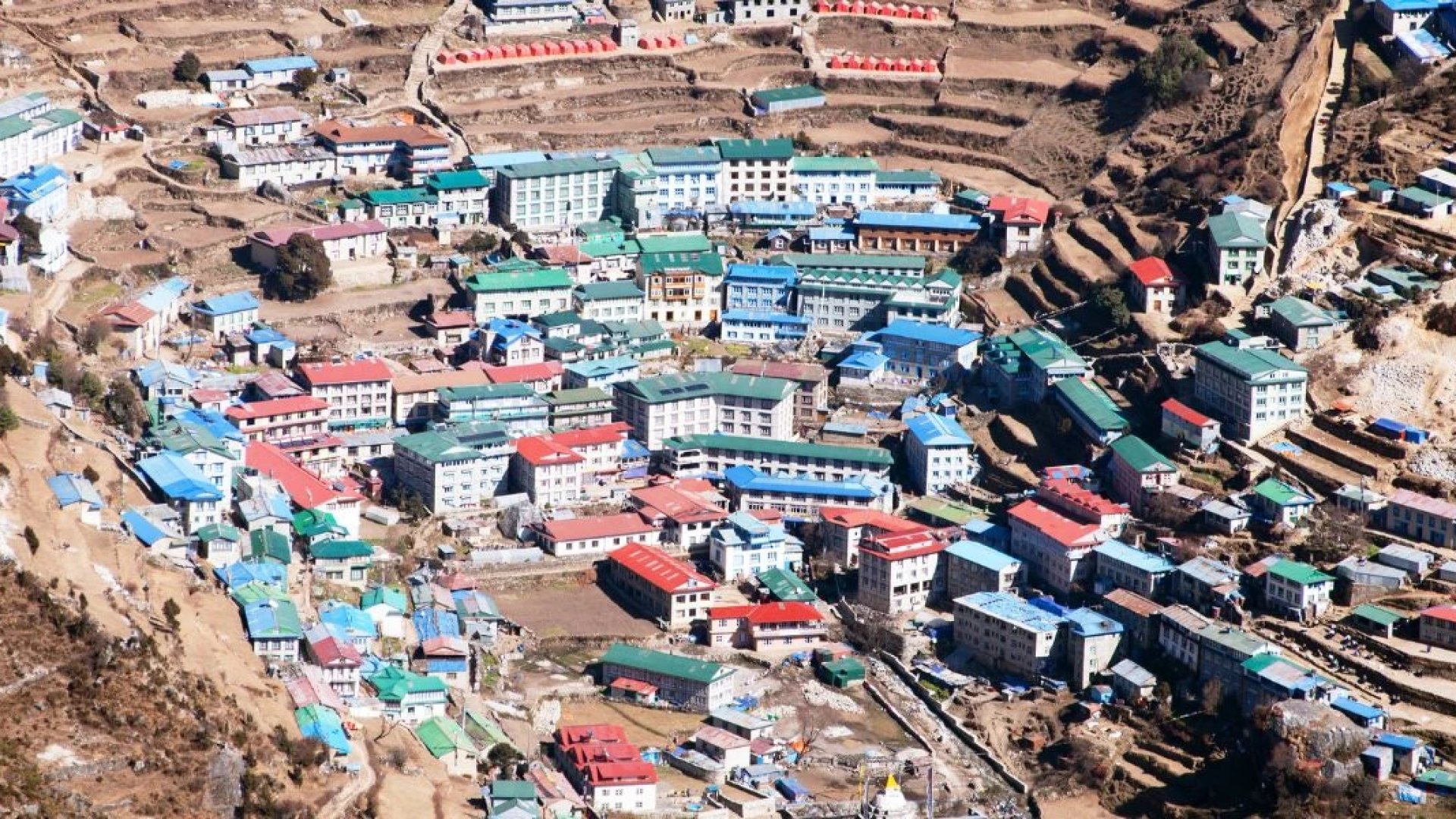
Namche Bazaar is the heart of Khumbu region. It is around an 8–9-hour trek from Lukla. Foreigners need to pay certain amount, i.e Rs 5,000, at the National Park checkpoint. They will receive a foreign trekking card/ pass, which they need to show at different places while trekking to Namche Bazaar. Usually people stay at Phakding from Lukla, which is around 3 hours of trek and depart from Phakding to Namche Bazaar the next day, which is around 6-7 hours of trek. The path to Namche Bazaar is very difficult and thrilling, as the trekking trail is straight uphill. The path is very adventurous and breath-taking; people can see different kinds of animals, local Sherpa houses, waterfalls, rivers, potters, etc. One of the things that the trekkers and filmmakers will see is huge number of Everest heroes, aka the Sherpas. The potters carrying around 80kg to 130 kg will mind blow everyone there. These are the people who will make your life easy in this region.
Filming in Namche Bazaar
After 7 hours of trekking, you’ll reach the lively town of the Khumbu region, i.e. Namche Bazaar. With its amphitheater-like setting, it offers filmmakers a unique vantage point to capture the Sherpa culture, mountaineering history and majestic Himalayan backdrop. The weekly market is a hive of activity, perfect for those candid shots depicting local life. Namche Bazaar requires different permits from the local administration so it is better to secure filming permits and drone permits (if used) in advance. A local fixer can arrange it without any hassle. They will help you engage with the locals for their authentic portrayal of their culture. Utilizing yaks, hybrid donkeys and porters for transporting equipment to higher vantage points will make it very easy for the filmmakers.
Challenges to filming in Lukla and Namche Bazaar
Filming in Lukla and Namche Bazaar is not without its challenges. The altitude, weather, and remote location demand a level of preparedness and flexibility. However, with the right fixer by your side, these challenges become opportunities to capture the raw and exhilarating beauty of the Himalayas.
Share this Blog to: