
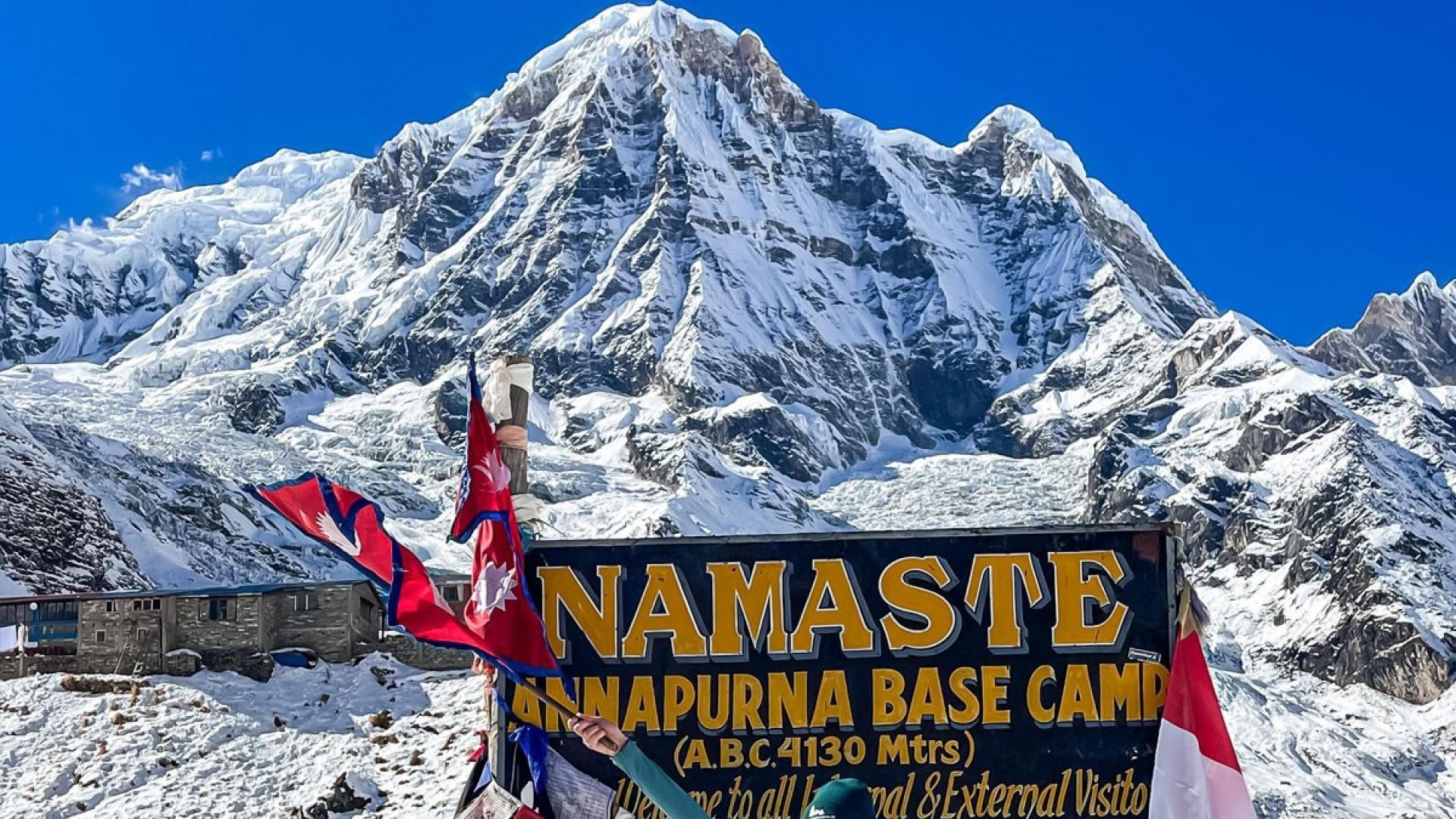
The Annapurna area is a top spot for shooting films in Nepal. Known as the Annapurna Conservation Area Project (ACAP) or just the Annapurna Sanctuary, it’s a gorgeous part of Nepal that goes from 1,800 meters to 5,500 meters high. It’s got everything a filmmaker could want: lots of mountains, paths to walk on, rivers, lakes, and deep valleys. The ACAP is like a dream come true for people making movies. In this article, we’ll talk about what you need to know to make a movie in the Annapurna region. Filmmakers should check out this stuff before they get here. These days, lots of movie crews come here and film because it’s got special nature spots and culture.
Annapurna Conservation Area Project (ACAP)
The Annapurna Conservation Area Project (ACAP), established in 1986, is the National Trust for Nature Conservation’s (NTNC) flagship project and Nepal’s first and largest protected area. Spanning 7,629 square kilometers, it’s a melting pot of over 100,000 people from diverse cultural and ethnic backgrounds. The ACAP is a hotspot of biodiversity, boasting 1,226 types of flowering plants, 105 mammal species, 518 bird species, 40 reptiles, and 23 amphibians.
What sets the Annapurna region apart are its world-class features. It’s home to the Kali Gandaki Gorge, the world’s deepest, stretching 3 miles in length and 1.5 miles across, with ancient fossils from the Tethys Sea that are 60 million years old. Ghorepani in this region has one of the largest rhododendron forests on the planet. And if you venture to Manang, just north of the Annapurna massif, you’ll find Lake Tilicho, the highest freshwater lake globally.
The area’s rich biodiversity is matched by its cultural tapestry. The southern parts are primarily inhabited by Gurung and Magar communities, while the northern areas are home to Thakali, Manange, and Loba peoples, each with their own dialects, cultures, and traditions. The region also includes Brahmins, Chhetris, and various professional groups, with Hinduism, Buddhism, and Tibetan-Buddhist practices widely observed. Most residents live across five districts and 15 rural municipalities within the ACAP.
Thanks to its natural beauty and cultural wealth, the Annapurna Conservation Area has become Nepal’s top tourist draw, attracting a vast number of local and international visitors annually. Tourism has grown into a vital part of the local economy, supported by over 1,000 lodges, teahouses, and related services that accommodate the needs of thousands of tourists, pilgrims, and their support teams each year.
Filming in Annapurna Region
In the Annapurna region, anyone can film, and it’s usually free for hobbyist filmmakers. The only exception is if you want to film from the air, but more on that later.
If you’re a professional film crew or have a big project, you’ll need to get some permits. Here’s what you need for filming (international projects only; local ones don’t need these):
- Nepal filming permit: You’ll need this from the Film Development Board, and it costs US$150.
- ACAP filming permit: This one’s from the National Trust for Nature Conservation (NTNC) and will set you back US$1500.
- Aerial filming permit: If you’re using drones or UAVs, get this permit from the NTNC for US$375.
- Restricted Area Permit: For shooting in Upper Mustang, you’ll need to go to the Department of Immigration and pay US$5000.
Remember, these fees are just for international crews. If you’re filming for a local production, you might not need these permits.
Film Permits for Annapurna Region
If you’re a professional film team looking to capture the beauty of the Annapurna region, here’s a straightforward guide to get you ready:
Before you come:
- Mark your calendar with the filming dates, plan your trip, and figure out how many people are coming.
- Team up with a local agency in Nepal to handle your paperwork. They’ll be your official sponsor when you apply for the Nepal filming permit and other necessary permissions.
- Have your local agency fill out all the forms and handle the red tape. Expect to wait about 10–15 days for everything to be processed. Getting a permit for drones might take a bit longer since it involves the Civil Aviation and National Security offices.
- Book your travel and stay in advance. It’s tricky to sort these out once you’re hiking in the Annapurna region.
- Your local agency can also take on the producer role. They’ll find you fixers and staff to manage all your needs on the ground, from travel and stay to finding local talent and gear for your shoot.
Keep it simple, and let the local experts help you focus on what you do best: making great films.
Share this Blog to: